

Planning a Perfect Three-Day Adventure in Rome: Your Ultimate Guide
Rome welcomed over 35 million visitors in 2024 according to the Italian National Institute of Statistics, making it one of Europe's top destinations. But how do you make the most of just three days in the Eternal City? With careful planning, you can experience Rome's ancient wonders, Renaissance masterpieces, and vibrant neighborhoods without feeling rushed. Plan a perfect trip with 3 days in rome tickets to maximize your time and budget while discovering the city's timeless magic.
Day One: Ancient Wonders and Imperial Grandeur
Your Roman adventure begins at the Colosseum, where gladiators once battled for glory. Arrive early at 8:30 AM to avoid crowds and capture the morning light streaming through the ancient arches. Pre-booked skip-the-line tickets are essential, especially during peak season from April to October.
From the Colosseum, a short walk leads you to the Roman Forum, the beating heart of ancient civilization. Walk the same stones where Julius Caesar delivered speeches and senators debated the fate of empires. The audio guide brings these ruins to life, transforming scattered columns into bustling marketplaces and temples.
Complete your morning at Palatine Hill, legendary birthplace of Rome. The imperial palaces offer stunning views over the Forum below, while frescoed rooms whisper tales of emperors and their intrigues. The gentle climb rewards you with panoramic vistas and a deeper understanding of Rome's stratified history.
Plan three to four hours for this archaeological trio. The combined ticket grants access to all three sites and remains valid for two consecutive days, allowing flexibility in your exploration schedule.
Day Two: Vatican City's Sacred Treasures
Your second day unveils the world's smallest sovereign state, home to humanity's most precious artistic legacy. The Vatican Museums house over 70,000 works spanning millennia, making advance booking essential to avoid the notorious three-hour queues that plague unprepared visitors.
Start your morning at 8 AM with skip-the-line access to witness Michelangelo's breathtaking Sistine Chapel ceiling. The chapel's divine masterpiece reveals new details with every upward glance, from the Creation of Adam's iconic finger touch to the intricate Last Judgment fresco behind the altar.
Navigate through the Pinacoteca's Renaissance galleries before crowds intensify around 10 AM. Here, Raphael's Transfiguration and Caravaggio's dramatic chiaroscuro technique showcase the evolution of sacred art across centuries.
Remember the strict Vatican dress code – covered shoulders and knees are mandatory, or entry will be refused. Photography is forbidden in the Sistine Chapel, but guards appreciate respectful silence more than rule enforcement.
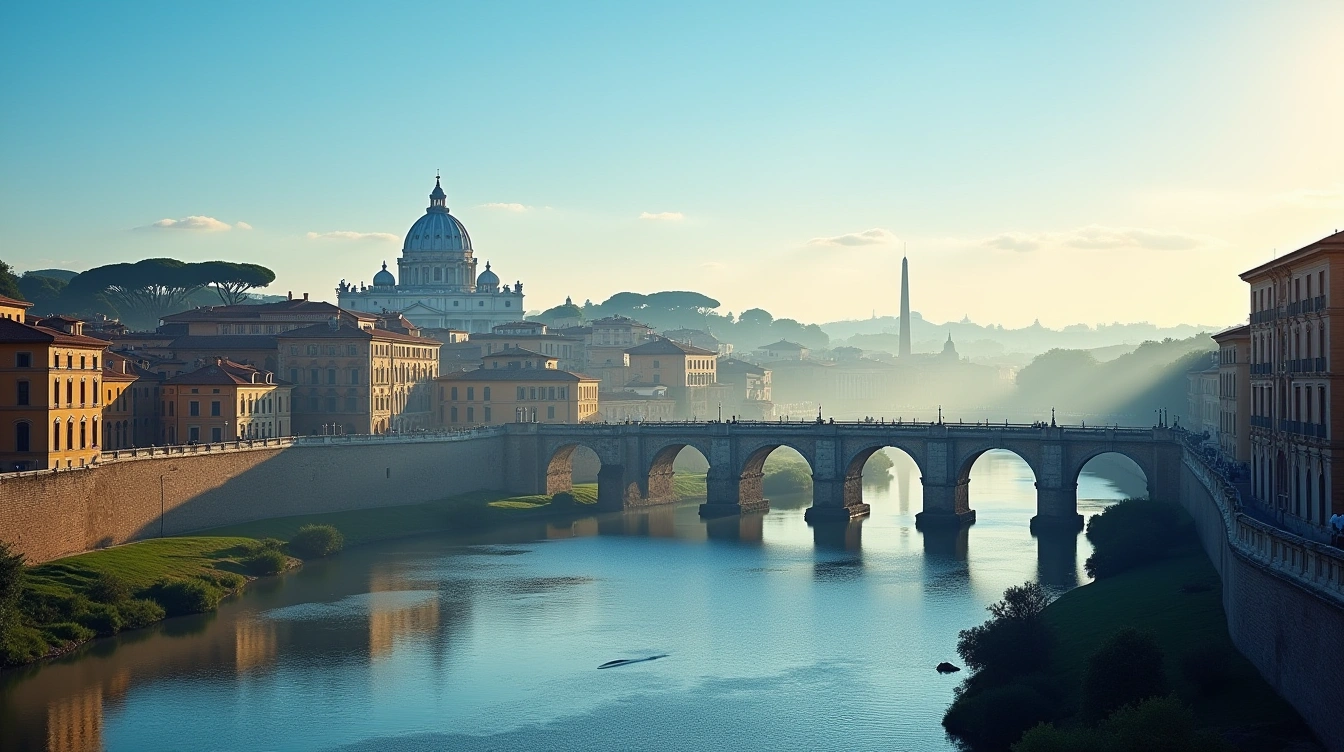
Conclude your spiritual journey at St. Peter's Basilica, where Bernini's colonnade embraces pilgrims in marble magnificence. Climb the dome for panoramic views over eternal Rome, understanding why millions make this sacred pilgrimage annually.
Day Three: Hidden Gems and Authentic Roman Life
Your final day in Rome is perfect for discovering the city's authentic soul beyond the tourist crowds. Start early in Trastevere, the bohemian neighborhood where cobblestone streets wind past colorful medieval buildings and locals gather at corner cafés.
Explore Villa Borghese in the late morning when the gardens are bathed in soft light. The park offers stunning views over the city and houses the renowned Galleria Borghese. For the best photos, position yourself near the Pincio Terrace around 11 AM when the lighting creates perfect contrast against Rome's terracotta rooftops.
Make your way to the Trevi Fountain during early afternoon to avoid peak crowds. Toss your coin with your right hand over your left shoulder – legend promises your return to Rome. The nearby Panthéon, remarkably preserved for nearly 2,000 years, reveals ancient Roman engineering at its finest.
End your Roman adventure with an authentic dining experience in Trastevere. Seek out family-run trattorias like Da Enzo or Glass Hostaria, where locals enjoy traditional cacio e pepe and perfectly aged wine from the Lazio region.
Essential Travel Tips for Your Roman Holiday
Planning a successful Roman adventure requires smart preparation and local insights. These expert tips will help you navigate the Eternal City like a seasoned traveler, maximizing your time while avoiding common tourist pitfalls.
- Transportation mastery: Purchase a Roma Pass for unlimited public transport access plus skip-the-line entry to major attractions. The metro closes at 11:30 PM (1:30 AM on weekends), so plan evening returns accordingly.
- Strategic reservations: Book Vatican Museums and Colosseum tickets at least two weeks in advance. Consider early morning or late afternoon slots to avoid peak crowds and harsh midday sun.
- Budget planning: Expect to spend €80-120 daily for mid-range experiences, including meals, attractions, and transport. Many churches and piazzas offer free cultural immersion between paid sites.
- Safety essentials: Keep valuables secure near major tourist areas like Termini Station and the Spanish Steps. Pickpockets often work crowded buses and metro lines during rush hours.
- Neighborhood selection: Stay in Trastevere for authentic charm, near the Vatican for religious sites, or around the Pantheon for central access to everything. Each district offers distinct advantages for different travel styles.
Remember that Romans typically dine late, with restaurants opening around 7:30 PM. Embrace the local rhythm and enjoy long, leisurely meals as part of your authentic Roman experience.
Making the Most of Rome's Culinary Scene
Rome's culinary landscape extends far beyond tourist restaurants, offering authentic flavors that have shaped Italian cuisine for centuries. The key to experiencing genuine Roman food culture lies in timing and knowing where locals actually eat.
Start your food journey at Campo de' Fiori market in the early morning, where vendors sell seasonal produce that defines Roman cooking. The atmosphere buzzes with local energy as chefs select ingredients for their daily menus. Follow this with visits to traditional trattorias in Trastevere or Testaccio neighborhoods, where family recipes have remained unchanged for generations.
Roman dining follows strict schedules that respect local customs. Lunch typically runs from 12:30 to 2:30 PM, while dinner doesn't begin before 7:30 PM. Ordering cacio e pepe, carbonara, or amatriciana during these hours ensures you'll taste dishes prepared with proper care and attention.
Evening aperitivo culture offers another authentic experience. Join locals at wine bars around 6 PM for a spritz paired with small plates. This social ritual provides insight into Roman lifestyle while preparing your palate for dinner ahead.
Your Roman Adventure Questions Answered
Planning your Roman getaway brings up plenty of questions. From timing your visits to managing your budget, these common concerns deserve clear answers to help you make the most of your three magical days in the Eternal City.
What are the must-see attractions for a 3-day trip to Rome?
Focus on the big four: Colosseum, Vatican Museums, Roman Forum, and Trevi Fountain. Add Pantheon, Spanish Steps, and one neighborhood like Trastevere for authentic local flavor.
How much does a 3-day vacation in Rome typically cost?
Budget €150-250 daily for mid-range travel, including accommodation, meals, and attractions. Skip-the-line tickets cost €15-30 each, while restaurant meals range from €25-45 per person.
What's the best walking route to cover Rome's highlights in 3 days?
Day 1: Ancient Rome circuit (Colosseum-Forum-Palatine). Day 2: Vatican area. Day 3: Centro Storico walking tour covering Pantheon, Trevi Fountain, and Spanish Steps in one efficient loop.
Should I book skip-the-line tickets for Vatican and Colosseum in advance?
Absolutely essential! Both attractions sell out weeks ahead, especially during peak season. Book timed entry tickets at least 30 days before your trip to avoid disappointment.
Where should I stay in Rome for easy access to major tourist sites?
Choose hotels near Termini Station for budget options, or splurge on Centro Storico accommodations. Trastevere offers charm, while Vatican area provides easy access to St. Peter's Basilica.